Is Therapy at Home Right for You?
Understanding Home Health, Mobile Outpatient, Clinics, and Skilled Nursing Facilities

When you or a loved one needs rehabilitation, one of the first big decisions is where to get therapy: at home, in an outpatient clinic, or in a skilled nursing facility (SNF). Each option has benefits and drawbacks, and the “right” answer depends on your health, your home situation, and what matters most to you.
Why Many People Prefer Therapy at Home
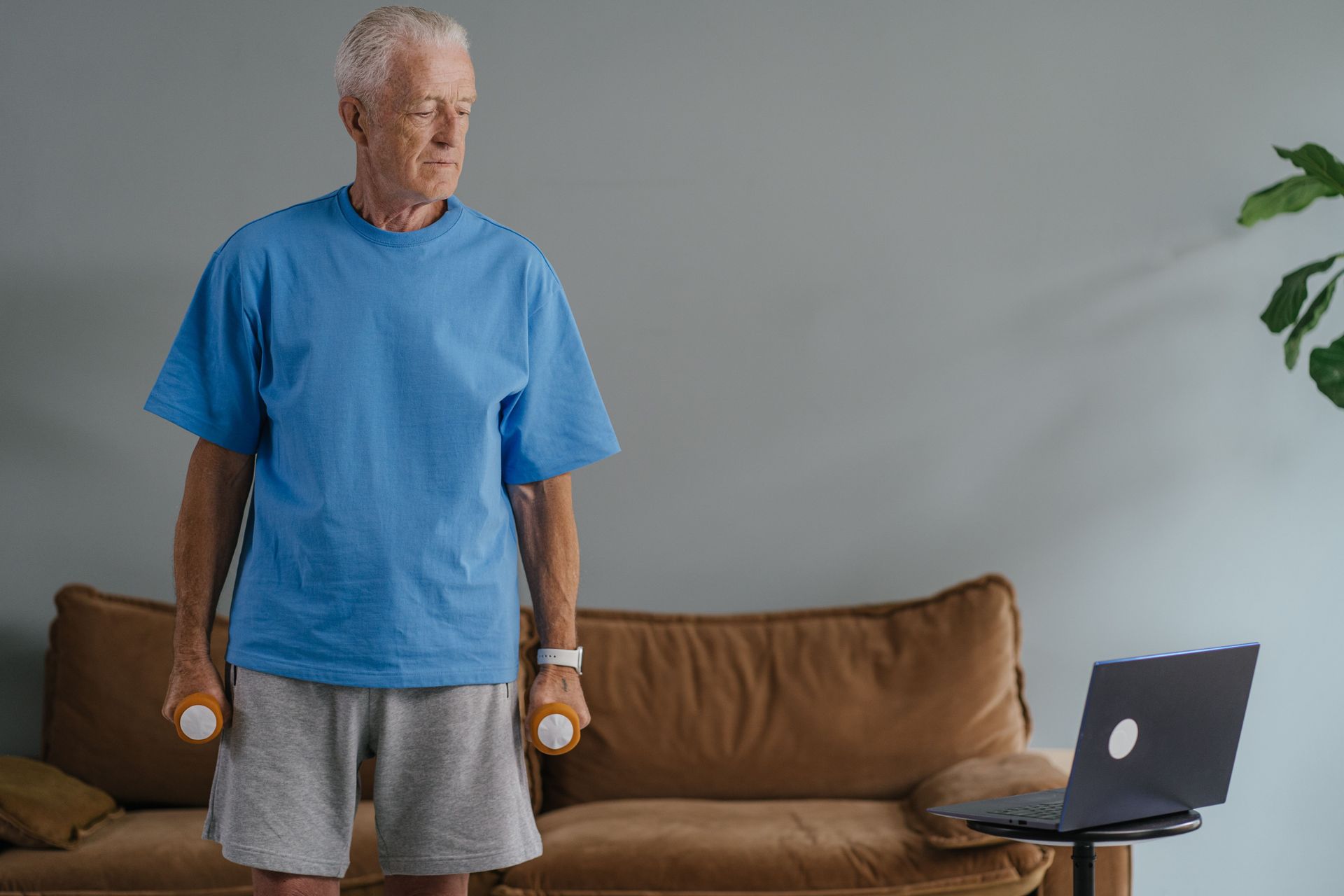
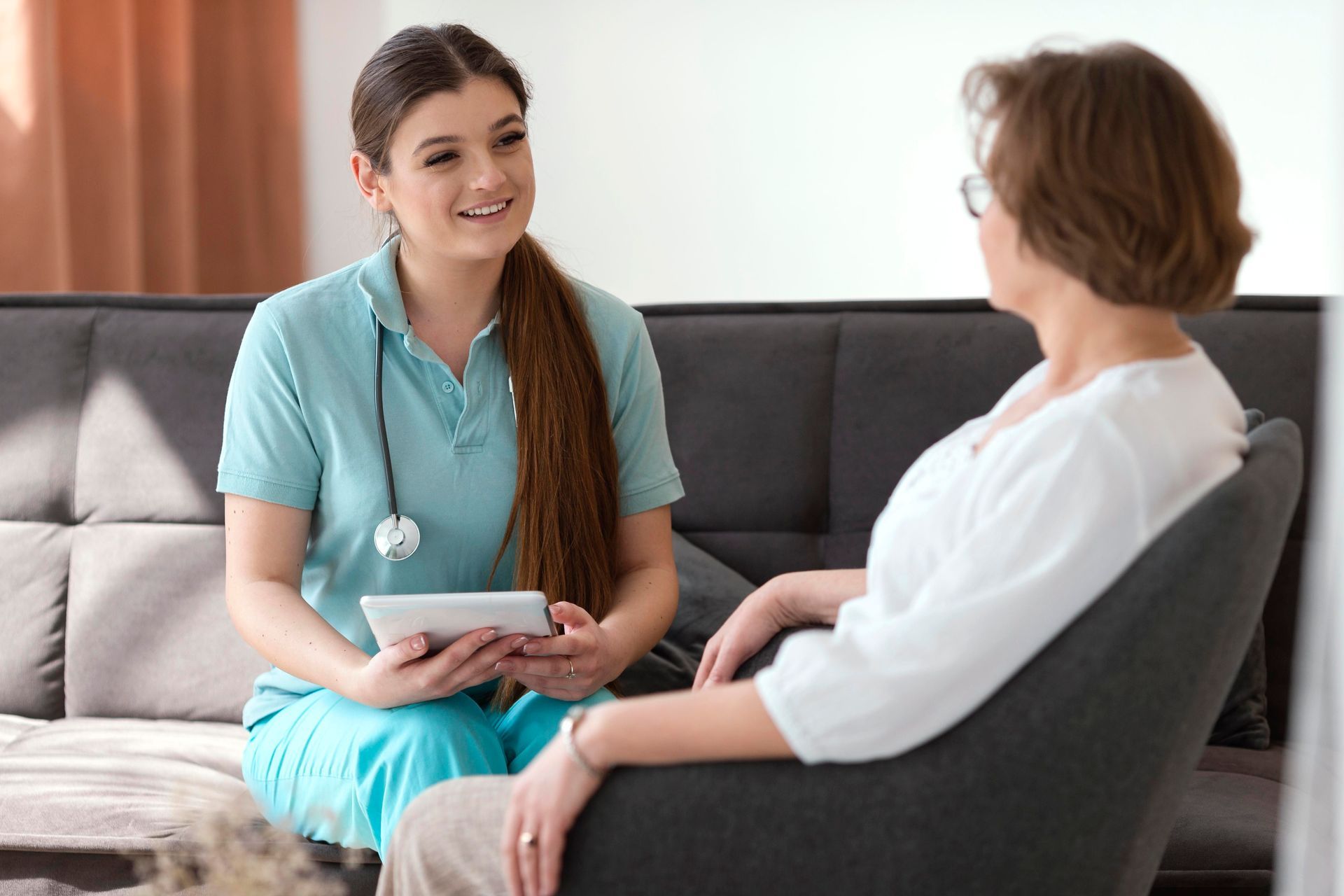
Many people say they choose home health or mobile outpatient therapy because it fits better into their daily lives. You don’t have to drive, arrange transportation, or sit in a waiting room. Therapy comes to you, in your own space, on a schedule that often works better around work, caregiving, or fatigue.
Research has found that patients and families often describe home-based therapy as more comfortable and convenient than clinic-based care, in part because they can practice their goals in the real environment where they live and move every day (Poulter et al., 2010; de Almeida Mello et al., 2023). For example, instead of pretending to go up and down “practice” stairs, you work on the actual stairs in your home. Instead of role-playing how to get in and out of your own shower, you can do it safely with the therapist right there to guide you.
Other reasons people choose therapy at home include:
- Reducing travel time, parking, and arranging rides.
- Feeling safer if they are medically fragile or worried about infections in busy facilities.
- Having one-on-one attention in a familiar environment.
Studies in different rehab populations show that patients often value independence and the chance to fit exercises into everyday routines, which home-based care can support (Tang et al., 2023; van den Berg et al., 2025).
Why Some People Choose Clinics or Skilled Nursing Facilities
Home isn’t the best setting for everyone. Many patients still prefer going to a rehab center or outpatient clinic. In a review of cardiac rehabilitation, some patients chose center-based programs because of the structured schedule, access to equipment, group support, and the feeling of being “at the gym” with a team watching over them (Tang et al., 2023). Seeing other people work hard can be motivating, and some patients feel more focused when therapy has a clear, separate location.
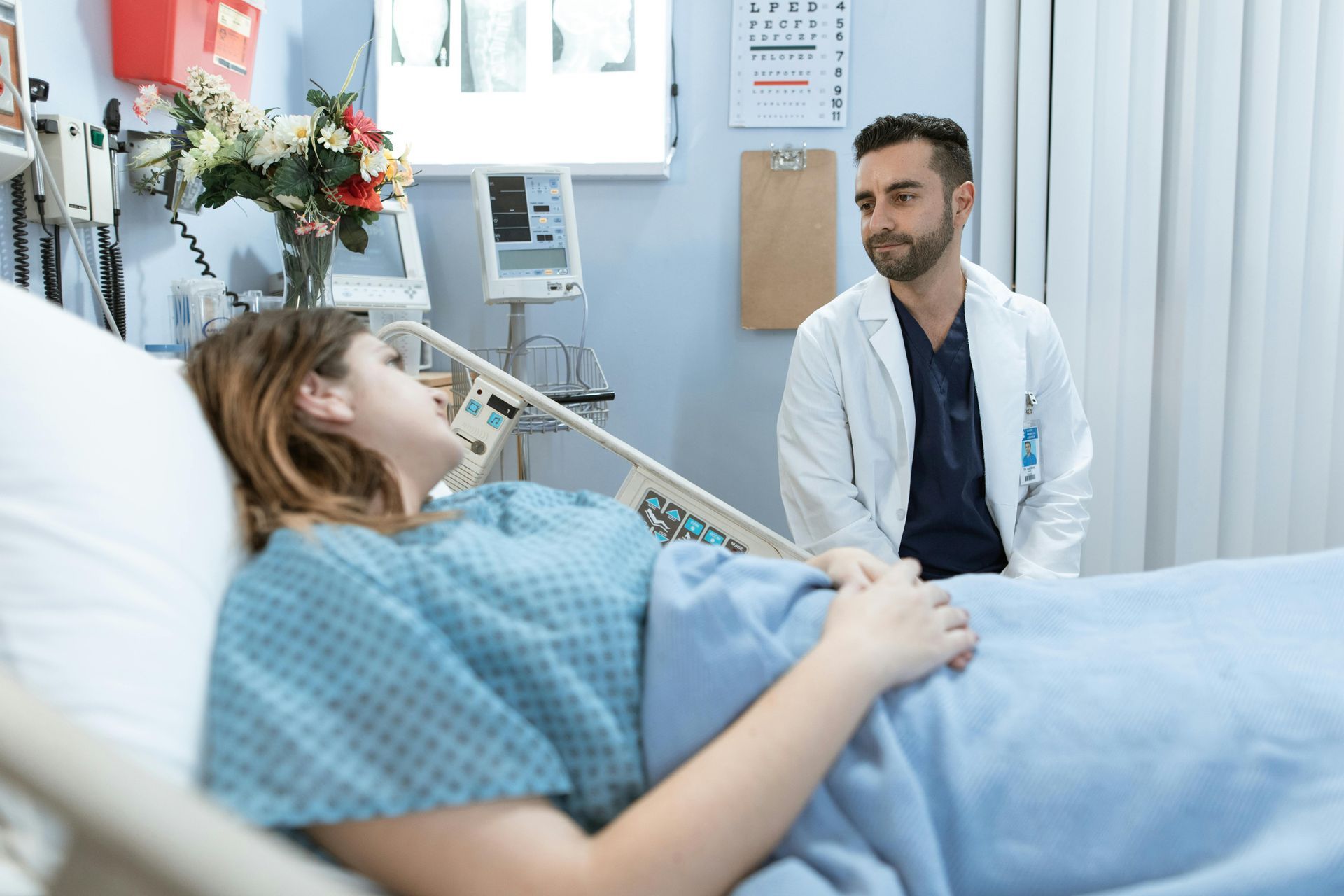
Skilled nursing facilities are a different option, usually used right after a hospital stay when someone needs more medical and nursing support. In an SNF, you stay in the facility and receive therapy plus 24/7 nursing care. Research comparing older adults who went home with home health versus those who went to a SNF found that people going to SNFs had fewer short-term hospital readmissions, even though overall function and survival looked similar over time (Werner et al., 2019). For people with complex medical issues or limited help at home, this extra monitoring can be very important.
Reasons people choose clinics or SNFs include:
- Needing frequent nursing care, IV medications, or close medical observation.
- Wanting access to larger gyms and specialized equipment.
- Enjoying the structure and social contact of a therapy center.
Home Health & Mobile Outpatient Therapy (Therapy at Home)
Pros
- No travel: Therapists come to you, which is helpful if you don’t drive, feel weak, or have pain.
- Real-life practice: You work on the exact tasks and barriers in your home (stairs, bathrooms, kitchen, bed). Research shows this can help make therapy goals more meaningful and practical (Poulter et al., 2010; de Almeida Mello et al., 2023).
- Comfort and privacy: Many people feel more relaxed at home and more in control of their schedule.
- Good option after hospitalization: Studies suggest that for many older adults, going home with home health can lead to similar functional gains and survival compared with going to a SNF, though readmission risk can be a bit higher (Werner et al., 2019).
Cons
- Limited equipment: Therapists may bring small equipment, but you won’t have large gym machines or parallel bars.
- Less immediate medical backup: Your therapist can call 911 and communicate with your doctor, but you don’t have nurses on-site 24/7.
- Privacy in your space: Some people feel uncomfortable having medical providers in their personal home environment.
Outpatient Clinics
Pros
- Access to equipment: Clinics often have exercise machines, balance tools, and modalities like electrical stimulation.
- Structured routine: You have set appointments that can help you stay accountable.
- Social environment: Some patients enjoy seeing other people working toward similar goals, which can be motivating (Tang et al., 2023).
Cons
- Transportation needed: You must be able to travel, arrange rides, and manage weather, parking, and distance.
- Less focus on your home environment: Therapists can teach you strategies, but they can’t see or adapt your home directly unless you bring photos or videos.
- Energy demands: For those who tire easily, the effort of getting to and from a clinic can be a barrier to sticking with the program.
Skilled Nursing Facilities (SNFs)
Pros
- 24/7 nursing care: This can be critical after major surgery, stroke, or if you have multiple health problems.
- On-site rehab gyms: You typically receive therapy several times per week with access to more equipment.
- Lower short-term readmission risk: Studies of older adults suggest that going to a SNF can reduce hospital readmissions in the first 30 days compared with going home with home health, especially for higher-risk patients (Werner et al., 2019).
Cons
- Not at home: You are living in a facility rather than your own home, which some people find stressful or depressing.
- Less control over schedule: Therapy times and daily routines are more structured by the facility.
- Cost and coverage: SNFs can be expensive for insurers and may lead to higher co-pays, depending on your plan (Werner et al., 2019).
How to Decide if Home-Based Therapy Is a Good Fit
There is no one-size-fits-all answer, but these questions can help guide your decision with your medical team:
- How medically stable am I?
If you still need frequent monitoring, complex nursing care, or are at high risk of complications, a SNF might be safer early on (Werner et al., 2019). - Do I have support at home?
Think about whether family, friends, or paid caregivers can help with meals, medications, and safety at home (de Almeida Mello et al., 2023). - Can I realistically get to a clinic?
Consider driving, energy levels, transportation options, and weather. If these are major barriers, home-based therapy might fit better. - Where do I feel more motivated and comfortable?
Some people feel energized in a clinic, surrounded by equipment and other patients. Others feel safer and more confident working in their own space (Poulter et al., 2010; Tang et al., 2023). - What does my insurance cover?
Coverage for home health, mobile outpatient therapy, clinics, and SNFs varies by plan. Ask your care team or insurance company to explain your options, including co-pays and limits.
When possible, the best decision is made together: you, your family or caregivers, your doctors, and your therapy team. They can help match your goals and safety needs with the setting that gives you the best chance to recover and stay out of the hospital.
Example Case: Two Different “Right” Answers
- Case 1: Ms. J, 78, after hip fracture
Ms. J lives alone, has heart failure, and needs help walking safely. She and her doctor choose a SNF for the first few weeks because she needs 24/7 nursing care and intensive therapy in a protected environment. Once she is safer on her feet, she plans to go home and continue with home health therapy. - Case 2: Mr. R, 55, after knee replacement
Mr. R lives with his spouse, has no major medical problems, and can get up with a walker. He chooses to return home with home health therapy first, then transition to outpatient clinic visits once he is driving again. He likes that he can start by working on his own stairs and bathroom, then later progress to clinic equipment.
Both patients made good choices—just different ones based on their needs and preferences.